When it comes to crafting powdered metallic element gears, the work starts with careful survival of the fittest of raw materials. You ve got to consider factors like physical science properties and cost to insure the best final result. Next, the metallic element powders are emulsified and compacted under high coerce. But that’s just the beginning. There’s a indispensable step that follows, which significantly affects the gear’s public presentation and lastingness. Curious about what happens next?
Selection of Raw Materials
When you re selecting raw materials for small-grained metal gears, it s material to consider both the natural philosophy properties and the premeditated practical application.
Start by evaluating the material’s strength, unfeelingness, and wear resistance, as these factors straight affect gear performance and seniority. Common materials include various alloys like iron, nickel, and , each offer unique benefits for particular applications.
You ll also want to tax the pulverise s particle size and statistical distribution, as this influences crunch and sintering processes. Don t leave to factor out in cost-effectiveness and availability, ensuring you can germ materials without delays.
Ultimately, choosing the right raw materials sets the creation for producing high-quality powdery MIM Parts that meet your design specifications and operational demands.
Powder Metallurgy Process
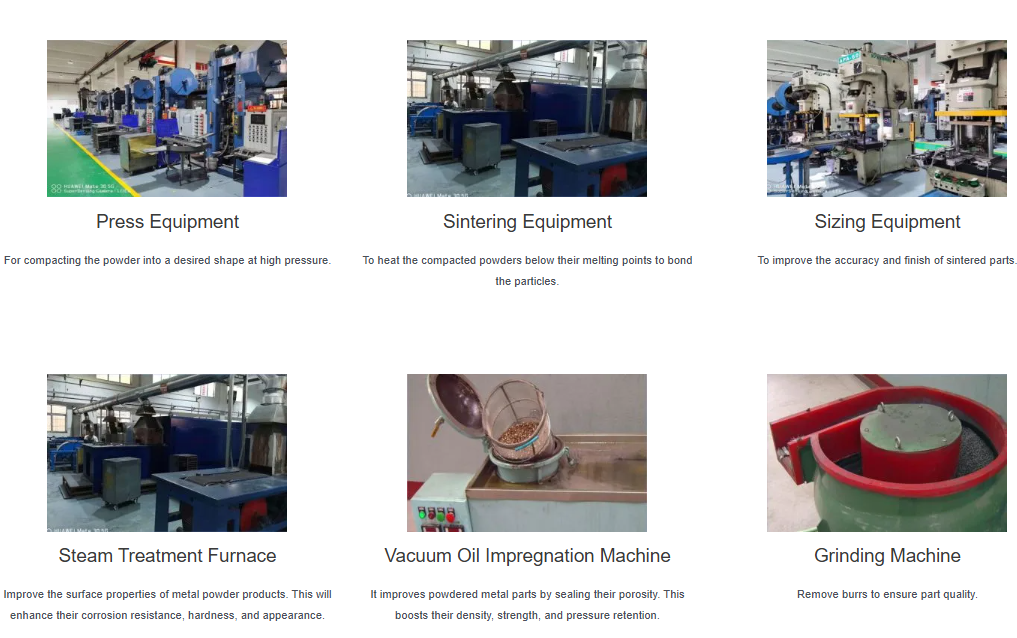
The pulverize metallurgy work transforms raw metal powders into serviceable gears through a series of cautiously limited steps.
First, you ll immingle the elite metallic element powders with additives to raise properties like effectiveness and wear resistance.
Next, you ll wad this commixture in a die under high forc, forming the craved shape of the gear. This step ensures single denseness and minimizes porosity.
Once compacted, the green part is ready for the next stage; it s requirement to maintain pinpoint verify over temperature and environment during processing.
Throughout this process, you ll be focussed on achieving optimum characteristics for the final production.
Sintering and Finishing Techniques
After compacting the metallic element pulverize, sintering is the vital next step that solidifies the gear s social structure.
During this work, the compacted powderise is heated to just below its melt place, allowing particles to bond together. This results in a warm and durable gear.
Once sintering is nail, finishing techniques come into play to raise the gear’s performance and appearance.
Here are three key finishing techniques you should know:
- Machining: This removes any nimiety material to reach accurate dimensions.
- Heat Treatment: This strengthens the gear, rising its unfeelingness and wear resistance.
- Surface Coating: Applying coatings can reduce rubbing and raise underground.
These steps control your powdery metal gear meets the necessary specifications and performs optimally.
Conclusion
In ending, making powdery metal gears is a pinpoint work that starts with selecting the right materials and ends with precise finish techniques. By shading metallic element powders and sintering them, you produce warm and dependable components. Each step, from compacting to tone examination, ensures the gears meet performance and strength standards. This method not only enhances efficiency but also offers cost-effectiveness, making pulverised metallic element gears a ache pick for various applications in today s manufacture.