In today’s ever-evolving healthcare industry, strong leadership is no longer optional—it is essential. Healthcare leaders are responsible for guiding teams, ensuring patient safety, maintaining compliance, and fostering a culture of innovation.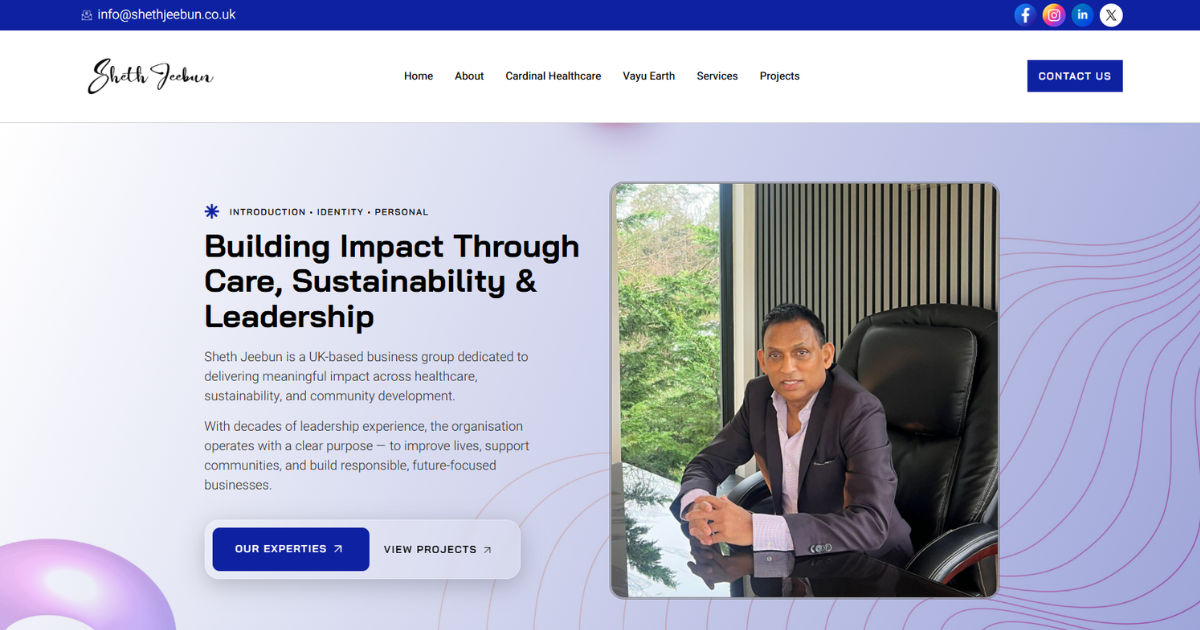
Whether managing a hospital, clinic, or long-term care facility, the demand for skilled healthcare leaders has never been higher.
One organization that exemplifies the importance of effective leadership is Sheth Jeebun long-term care services, where leadership skills directly influence patient outcomes and operational efficiency.
Healthcare leadership is unique because it combines clinical knowledge, organizational skills, emotional intelligence, and strategic thinking.
To lead successfully, healthcare professionals must develop a broad range of competencies that go beyond technical expertise.
This guide will explore the essential skills required for healthcare leaders, practical strategies for developing them, and the impact they have on healthcare organizations.
Healthcare Leadership
Healthcare leadership is different from leadership in other industries. While business leaders may focus primarily on profits and efficiency, healthcare leaders must balance financial considerations with patient care, regulatory compliance, and ethical responsibilities. A healthcare leader influences the entire system—staff, patients, families, and the community. Effective leadership ensures that resources are used wisely, quality standards are met, and teams remain motivated even in high-pressure situations.
Strong leadership in healthcare not only improves organizational performance but also enhances patient satisfaction. Facilities like Sheth Jeebun long-term care services demonstrate that leadership directly affects the quality of care. Leaders must create environments where staff can thrive, patients feel supported, and innovation is encouraged.
Core Skills for Healthcare Leaders
Communication Skills
Effective communication is the foundation of healthcare leadership. Leaders must convey information clearly to diverse audiences, including medical staff, patients, administrators, and policymakers. Good communication involves listening actively, providing feedback, and ensuring transparency.
Healthcare leaders must also manage conflict effectively. Miscommunication can result in medical errors, decreased staff morale, or patient dissatisfaction. Leaders at Sheth Jeebun long-term care services often highlight communication as a critical skill, ensuring teams understand goals, protocols, and expectations.
Emotional Intelligence
Healthcare environments are emotionally charged, with staff frequently facing stress, burnout, and difficult patient situations. Emotional intelligence (EI) allows leaders to recognize and manage their own emotions and understand the emotions of others.
High EI helps leaders support their teams, handle crises calmly, and foster a positive work culture. Leaders with strong emotional intelligence can motivate staff, reduce turnover, and ensure patient-centered care. This skill is particularly valuable in settings like long-term care services, where patient relationships are ongoing and deeply personal.
Strategic Thinking and Vision
Healthcare leaders must think strategically, balancing immediate operational needs with long-term goals. Strategic thinking involves analyzing data, anticipating trends, and planning for changes in regulations, technology, or patient needs.
Visionary leaders inspire teams by providing clear goals and demonstrating how individual efforts contribute to organizational success. In long-term care settings, a strategic approach can improve care plans, optimize staffing, and enhance service delivery, as seen in the practices of Sheth Jeebun long-term care services.
Decision-Making and Problem-Solving
Decision-making is a critical skill in healthcare leadership. Leaders face complex situations requiring quick, evidence-based judgments. Effective decision-making relies on critical thinking, access to accurate information, and the ability to evaluate risks and benefits.
Problem-solving skills allow leaders to address challenges creatively and efficiently. Whether resolving staffing shortages, implementing new technology, or responding to patient emergencies, healthcare leaders must find solutions that balance quality care with organizational sustainability.
Team Building and Collaboration
No healthcare leader can succeed alone. Collaboration and team building are essential for achieving organizational goals. Leaders must foster a culture of trust, respect, and accountability.
Successful leaders identify strengths within their teams, delegate tasks effectively, and encourage professional development. By promoting collaboration, leaders enhance communication, reduce errors, and improve patient outcomes. Sheth Jeebun long-term care services emphasizes teamwork as a cornerstone of its operational success.
Financial Acumen
Understanding healthcare finance is essential for leaders who must manage budgets, resources, and operational costs. Leaders need to interpret financial reports, allocate resources wisely, and ensure cost-effective practices without compromising care quality.
Financial acumen also involves strategic planning for investments in technology, staff training, and facility upgrades. Leaders in organizations like Sheth Jeebun long-term care services often balance financial decisions with patient-centered care priorities, demonstrating that fiscal responsibility and quality care can coexist.
Adaptability and Innovation
Healthcare is an ever-changing field. New technologies, treatments, and regulations constantly reshape the landscape. Leaders must be adaptable, open to change, and willing to embrace innovation.
Innovation in leadership includes implementing new care models, improving workflows, and adopting digital solutions to enhance patient care. Leaders who encourage creative problem-solving and continuous improvement help their organizations stay competitive and responsive to patient needs.
Ethical and Legal Knowledge
Healthcare leaders operate in a highly regulated environment. Ethical leadership ensures that patient rights, privacy, and safety are protected. Leaders must understand legal regulations, compliance requirements, and ethical guidelines governing healthcare practices.
Ethical decision-making builds trust with patients, staff, and the community. Organizations like Sheth Jeebun long-term care services prioritize ethics in leadership to maintain credibility and ensure high-quality, safe care.
Mentoring and Professional Development
A strong healthcare leader invests in the growth of their team. Mentorship and professional development involve providing guidance, opportunities for learning, and pathways for career advancement.
Leaders who actively mentor staff improve engagement, reduce turnover, and cultivate future leaders. This is particularly important in long-term care services, where experienced staff are essential for continuity of care and patient satisfaction.
Skills for Specific Healthcare Leadership Roles
While core leadership skills are universal, some roles require specialized competencies:
Hospital Administrators
Hospital administrators need expertise in operational management, budgeting, regulatory compliance, and strategic planning. They oversee multiple departments, coordinate large teams, and ensure patient services run smoothly.
Clinical Leaders
Clinical leaders, such as nurse managers or medical directors, require strong clinical expertise in addition to leadership skills. They focus on patient care quality, staff training, and clinical protocol adherence.
Long-Term Care Leaders
Leaders in long-term care facilities, like Sheth Jeebun long-term care services, focus on patient relationships, staff retention, regulatory compliance, and continuity of care. They must be compassionate, patient-centered, and adept at managing complex care needs over extended periods.
Public Health Leaders
Public health leaders deal with population-level health issues, policy development, and crisis management. They must possess skills in epidemiology, communication, and strategic planning to guide public health initiatives effectively.
Developing Healthcare Leadership Skills
Education and Training
Formal education in healthcare administration, public health, or clinical management provides foundational knowledge. Many leaders pursue advanced degrees such as a Master’s in Healthcare Administration (MHA) or a Master’s in Public Health (MPH).
Mentorship and Coaching
Learning from experienced leaders accelerates skill development. Mentorship allows emerging leaders to gain insights, practical tips, and guidance for navigating complex healthcare environments.
Practical Experience
Hands-on experience in healthcare settings builds confidence and competence. Leaders develop decision-making, problem-solving, and interpersonal skills by managing teams, coordinating projects, and handling real-world challenges.
Continuous Learning
Healthcare is dynamic, so leaders must engage in lifelong learning. Attending conferences, workshops, and training programs ensures leaders stay current with best practices, innovations, and regulatory changes.
Self-Reflection and Feedback
Effective leaders reflect on their performance, seek feedback from colleagues, and identify areas for improvement. Self-awareness fosters growth, enhances emotional intelligence, and strengthens leadership effectiveness.
The Impact of Strong Healthcare Leadership
Strong leadership transforms healthcare organizations. Benefits include improved patient outcomes, higher staff satisfaction, better operational efficiency, and enhanced community trust. Organizations like Sheth Jeebun long-term care services demonstrate how effective leadership creates a positive work culture, fosters collaboration, and delivers exceptional patient care.
Healthcare leaders who possess the right mix of technical expertise, emotional intelligence, strategic thinking, and ethical judgment drive meaningful change. They inspire teams, implement innovative solutions, and maintain high standards of care. Leadership also influences organizational reputation, regulatory compliance, and financial sustainability.
Challenges in Healthcare Leadership
Healthcare leaders face unique challenges, including:
- Staff Burnout: High-pressure environments and long hours contribute to fatigue and turnover. Leaders must implement wellness programs and provide support.
- Regulatory Changes: Keeping up with evolving laws and standards requires vigilance and adaptability.
- Technology Integration: Implementing new systems and digital solutions can be complex and costly.
- Patient-Centered Care: Balancing efficiency with personalized care requires careful planning and empathy.
Addressing these challenges requires resilience, innovation, and strong communication skills. Leaders who navigate these obstacles successfully enhance organizational performance and patient satisfaction.
Conclusion
The role of a healthcare leader is complex, demanding, and critical for the success of any healthcare organization. Leaders must possess a wide range of skills, including communication, emotional intelligence, strategic thinking, decision-making, financial acumen, adaptability, ethics, and mentorship. Each of these competencies contributes to effective management, improved patient outcomes, and a thriving workplace culture.
Organizations such as Sheth Jeebun long-term care services exemplify the impact of skilled leadership on operational success and patient care quality. By investing in skill development, continuous learning, and team-building, healthcare leaders can meet the challenges of modern healthcare and ensure their organizations deliver exceptional care.
Healthcare leadership is not just about authority or titles—it’s about responsibility, influence, and the ability to inspire others. Strong leaders create environments where teams succeed, patients receive high-quality care, and organizations thrive in a complex and evolving industry. For aspiring leaders, developing these skills is not optional—it is essential for personal success and the well-being of the people they serve.