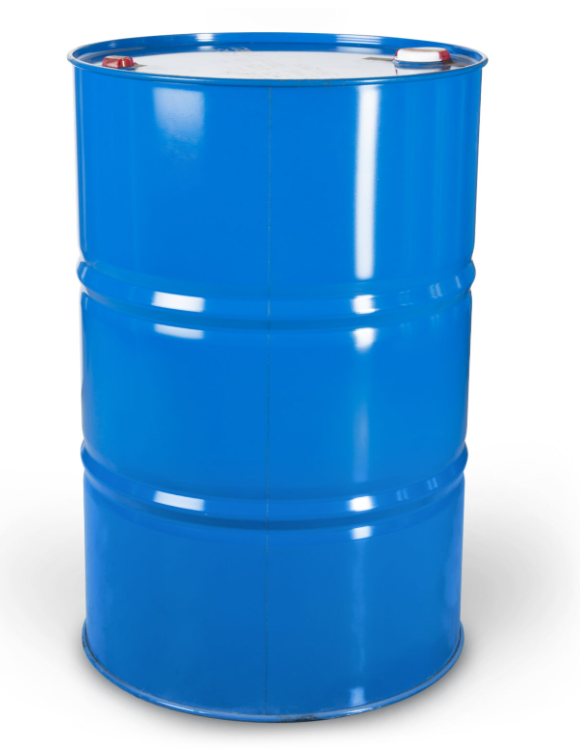
Not All Isopropanol Is The Same Grade
Facility managers responsible for buying isopropanol for routine equipment cleaning often default to whatever’s cheapest available option, without carefully checking the actual concentration printed on the label, mostly because isopropanol gets mentally categorized as a commodity cleaning product rather than something where purity meaningfully affects performance. Anything under 99% concentration starts leaving behind noticeably more residue than it actually removes during cleaning, which matters a great deal on lab equipment or anything involving electrical contacts that genuinely can’t tolerate a filmy residue buildup accumulating over repeated cleaning cycles.
The residue problem compounds over time in a way that a single cleaning pass doesn’t reveal. One cleaning with lower-grade isopropanol might leave a barely perceptible film, easy to dismiss as insignificant. But repeated cleanings with the same lower-grade product build up that residue incrementally over weeks and months, until it eventually starts interfering with equipment performance in ways that are genuinely difficult to trace back to the cleaning product itself, since the connection isn’t obvious or immediate.
A Minor Annoyance Versus a Real Problem
For general facility cleaning use, lower-grade isopropanol residue is mostly a minor annoyance, the kind of thing you can simply wipe away with a bit more effort or a second cleaning pass without any lasting consequence. For lab-grade cleaning applications, though, it’s a genuinely real and potentially expensive problem that tends to show up later as unexplained equipment drift or false sensor readings that can take considerable diagnostic time to trace back to their actual root cause.
A maintenance lead in Sacramento told me his team learned this lesson the hard way after a batch of low-grade isopropanol left a barely visible film on sensitive sensor equipment, a problem that took two technicians the better part of a full day to properly diagnose, since a subtle residue film wasn’t anyone’s first guess for what was causing a sensor to behave erratically after routine cleaning.
Making the Switch to Bulk, Documented Supply
He now orders isopropanol in bulk directly rather than picking it up as needed from whatever supply store happened to be convenient, specifically checking adchemgas.com‘s spec sheet before every reorder instead of simply grabbing whatever concentration happened to be on the shelf at the nearest general supply store, which was his previous default habit before the sensor equipment incident forced a more careful approach to sourcing.
That shift toward bulk, documented sourcing also turned out to have a secondary benefit he hadn’t specifically anticipated when he made the change primarily for quality control reasons: cost savings from buying in bulk rather than making frequent smaller purchases at retail prices, which had been adding up more than he’d previously realized once he actually sat down and calculated his facility’s total annual isopropanol spend.
A Simple Framework for Matching Grade to Use Case
For other facility managers evaluating their own cleaning solvent sourcing, the practical framework that emerged from this conversation and a few others was reasonably simple to apply. General facility cleaning, things like wiping down non-sensitive surfaces or basic equipment exteriors, can typically tolerate a lower-grade isopropanol without meaningful consequence, since the residue tolerance for that kind of application is genuinely much higher. Anything touching sensitive electronics, lab equipment, or precision machinery, though, deserves the higher-purity grade as a default policy rather than a case-by-case judgment call made under time pressure during a busy maintenance shift.
The cost difference between grades is typically smaller than facility managers initially assume, especially once purchased in bulk rather than in small retail quantities at a markup, which makes the case for simply standardizing on higher-purity isopropanol across an entire facility rather than maintaining two different grades and risking the wrong one getting used in a genuinely sensitive application during a rushed cleaning cycle when nobody stops to double check the label.
A Broader Audit Turned Up More Than Expected
After the sensor equipment incident, the Sacramento maintenance lead decided to audit every cleaning product used across the entire facility, not just isopropanol, expecting the review to be a quick formality that mostly confirmed things were fine. Instead, he found three other cleaning products in regular use whose actual specifications didn’t match what staff assumed they were using, including a general degreaser that had been substituted for a specified product by a previous purchasing decision nobody had documented or communicated clearly to the maintenance team actually using it.
None of the other substitutions had caused an obvious problem yet, as far as he could tell from equipment records, but he described the audit as uncomfortable in a useful way, revealing how much cleaning product selection had drifted from documented facility standards through a series of small, individually reasonable purchasing decisions that nobody had tracked cumulatively over time.
He now runs that same full cleaning product audit annually as standing policy, treating it as preventive maintenance for the facility’s documentation rather than a one-time correction. His broader takeaway, one he now repeats to other facility managers when the topic comes up, is that cleaning product specifications tend to drift silently over time through nobody’s individual fault, and the only real defense is checking periodically rather than assuming a specification that was correct when originally documented is still being followed accurately years later.