Everyday clothing needs to balance comfort, practicality, and personal style. A suit can be an excellent choice for regular wear when its cut, fabric, colors, and details are selected with daily activities in mind. The right girls suit design should look neat without feeling too formal, and it should allow easy movement throughout the day. 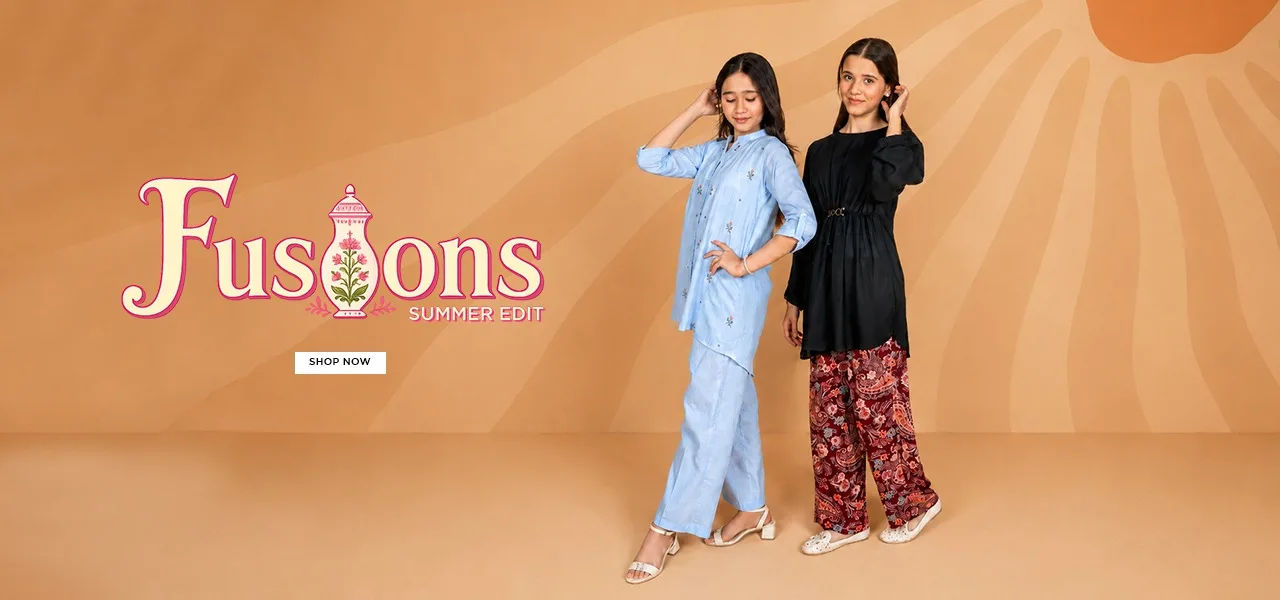 The best everyday suit is usually one that feels natural rather than heavily decorated.
Whether it is worn for university, work, shopping, family visits, or casual gatherings, a simple design can remain stylish without becoming difficult to maintain. The choice of neckline, sleeves, trousers, and dupatta can also change the overall appearance considerably.
Comfort should be at the center of the decision. A beautiful outfit becomes less useful for everyday wear if it is too heavy, restrictive, delicate, or difficult to wash. For regular use, breathable fabrics, relaxed cuts, practical colors, and manageable embellishment usually provide the most flexibility. Understanding these details makes it easier to choose an outfit that looks polished while still fitting naturally into an ordinary day.
What Makes a Suit Suitable for Everyday Wear?
An everyday suit should be easy to wear for several hours. It should not require constant adjustment, special handling, or careful movement.
The first consideration is comfort. Clothing that allows the shoulders, arms, waist, and legs to move freely is generally more practical for daily activities. A slightly relaxed silhouette can provide comfort while still looking well structured.
The second consideration is maintenance. Daily clothing is washed more frequently than occasional outfits, so fabrics and decorations should be able to handle regular care.
The third consideration is versatility. A suit that works with different sandals, shoes, bags, and dupattas can provide more outfit combinations from a smaller wardrobe.
Simple Straight-Cut Suits
A straight-cut suit is one of the most practical choices for everyday use. Its clean shape works across different age groups and body types without looking overly formal.
The shirt usually falls in a straight line from the shoulders toward the hem. It can be paired with straight trousers, cigarette pants, or simple shalwar-style bottoms.
This type of girls suit design is particularly useful when you want something that looks presentable without requiring elaborate styling. A plain straight shirt can be dressed up with earrings or a printed dupatta when necessary.
Length also matters. A medium-length shirt is often easier to manage during commuting, shopping, and household activities than an extremely long or heavily layered design.
A-Line Suits for a Softer Look
A-line suits offer a little more shape around the lower part of the shirt. They are fitted or structured around the upper body and gradually widen toward the hem.
This silhouette provides movement without becoming excessively loose. It can be a good option for someone who prefers a feminine appearance but does not want a body-hugging outfit.
A-line cuts can also work well with simple prints. When the fabric already has an interesting pattern, minimal embroidery is usually enough.
For everyday wear, the design should remain relatively lightweight. Too many layers, large borders, or heavy decorative panels can make an otherwise practical suit feel more suitable for special occasions.
Printed Suits for Regular Use
Printed suits are among the easiest options for building an everyday wardrobe. Floral, geometric, abstract, and traditional prints can add visual interest without requiring embroidery.
Small or medium prints are particularly versatile. They can be worn with plain trousers and a simple dupatta, allowing the shirt to remain the main feature of the outfit.
Large prints can also work, but they may create a stronger visual effect. When choosing them for everyday use, it helps to keep the rest of the outfit understated.
A useful girls suit design does not always need decoration to look fashionable. Good color combinations, an attractive print, and a well-finished neckline can create enough detail on their own.
Plain Suits With Small Details
Plain suits are another strong choice for everyday dressing. They provide a clean appearance and can be changed easily with accessories.
Instead of heavy embroidery, consider small details around the neckline, cuffs, or hem. A narrow printed border, subtle stitching, fabric-covered buttons, or a contrasting panel can make a plain outfit more interesting.
This approach is also practical because simple decorations are generally easier to maintain than extensive embellishment.
A plain suit can also become several different outfits. Pairing it with a contrasting dupatta creates one look, while using a matching or printed dupatta creates another.
Best Fabrics for Everyday Suits
Fabric has a major effect on whether an outfit feels practical.
Cotton is a popular choice because it is breathable and comfortable in warm weather. It can be suitable for regular use, particularly when the fabric is lightweight.
Lawn is another common option for hot climates. Its light texture makes it comfortable for long days, although very delicate or thin fabrics may require more careful handling.
Cambric can be useful in cooler weather. It generally has a more substantial feel than lightweight summer fabrics and can work well for simple everyday suits.
Khaddar and similar heavier fabrics may be better during colder months. They can provide warmth while still allowing traditional suit silhouettes.
The important point is to match the fabric with the season and daily routine. A design that works beautifully in winter may feel uncomfortable during a hot summer afternoon.
Choosing Everyday Colors
Color can determine how frequently an outfit gets worn.
Neutral and muted shades are often easy to combine with other wardrobe pieces. Beige, cream, soft grey, navy, olive, dusty pink, brown, and similar shades can provide plenty of styling flexibility.
Brighter colors are not unsuitable for everyday wear. They simply create a stronger visual statement. If you enjoy vibrant clothing, a bright shirt can be balanced with neutral trousers and accessories.
Pastel shades can create a soft and fresh appearance, especially in warmer weather. However, very light colors may show stains more easily, which is worth considering if the outfit will be worn during commuting or other messy activities.
The most useful girls suit design is therefore not necessarily based on a particular color. It is the one that fits comfortably into the rest of your wardrobe.
Neckline Choices
The neckline is a small feature that can significantly change the appearance of a suit.
A simple round neckline creates a classic and relaxed appearance. A modest V-shaped neckline can make the shirt look slightly more elongated while maintaining a clean design.
Boat necks, square necks, and keyhole details can also work for everyday clothing when they are kept simple.
For regular wear, comfort should take priority over complicated neckline construction. Decorative pieces that scratch the skin or require constant adjustment can quickly become irritating.
Buttons and small fabric details can provide enough interest without making the neckline overly elaborate.
Sleeves That Work for Daily Activities
Sleeve design should reflect how the outfit will be used.
Three-quarter sleeves are particularly practical because they provide coverage while leaving the wrists relatively free. They can work well for work, university, shopping, and everyday social activities.
Full sleeves are useful in cooler weather and can create a more polished appearance. They are especially practical when the fabric is comfortable and breathable.
Shorter sleeves can be suitable in hot weather, depending on personal preference and the setting in which the outfit will be worn.
Avoid extremely wide sleeves for activities where you need your hands to remain free. Large bell sleeves may look attractive, but they can become inconvenient while eating, working, cooking, or carrying items.
Trousers and Bottom Styles
The shirt is only one part of a suit. The bottom can determine how comfortable the entire outfit feels.
Straight trousers provide a simple, modern appearance and pair naturally with most shirt cuts. Cigarette pants create a slightly sharper silhouette and can work well with medium-length shirts.
Shalwar-style trousers provide additional room and can be comfortable for relaxed everyday use. Wide-leg trousers can also look stylish, particularly when paired with a relatively simple shirt.
The key is balance. A very loose shirt combined with extremely wide trousers can create substantial volume. If that is your preferred style, it can certainly work, but a more balanced silhouette may feel easier for daily activities.
Everyday Dupatta Options
A dupatta can change the entire appearance of a suit without requiring a new outfit.
For daily wear, lightweight printed dupattas are practical because they can add color and pattern to a plain shirt.
A cotton dupatta can work particularly well with casual suits. It is usually easier to manage than heavily embellished fabrics.
You can also choose a contrasting dupatta when you want more visual interest. For example, a neutral suit can be paired with a colorful printed dupatta for a noticeably different look.
For very busy days, however, some people prefer a shorter or lighter dupatta that is easier to carry and arrange.
Embroidery: How Much Is Enough?
Embroidery does not have to be avoided in everyday clothing. The important factor is quantity.
Small embroidered motifs around the neckline, sleeves, or pockets can provide a polished appearance. Tonal embroidery, where the thread is close to the fabric color, creates a particularly subtle effect.
Heavy metallic embroidery, dense sequins, extensive beads, and large decorative borders are generally more associated with formal clothing. They can also make the suit heavier and more demanding to maintain.
A simple girls suit design with carefully placed embroidery can therefore offer some decoration without losing its everyday character.
Designing Suits for University and Work
University and workplace clothing often requires a slightly more polished approach.
Straight shirts, modest necklines, clean trousers, and restrained prints are easy to style. Solid colors can create a professional appearance, while subtle patterns can prevent the outfit from looking too plain.
Avoiding excessive embellishment can also make the outfit more versatile. The same suit may work for daytime responsibilities and an informal evening gathering with only a change of accessories.
Comfort is especially important when the outfit will be worn for many hours. Breathable fabrics and sleeves that allow unrestricted movement can make a noticeable difference.
Everyday Suits for Shopping and Casual Outings
Casual outings allow greater freedom with colors and prints.
A printed lawn shirt with straight trousers is a simple combination for warm weather. A cotton suit can provide another comfortable option when you expect to spend several hours outside.
Small patterns, contrast stitching, simple buttons, and modest borders can add personality.
Footwear also affects the overall style. Flat sandals can create a relaxed appearance, while simple flats can make the same suit look slightly more polished.
The most practical girls suit design for casual outings is usually one that can be worn without extensive preparation.
Seasonal Considerations
A good everyday wardrobe should change with the weather.
During summer, lightweight cotton and lawn can help create comfortable outfits. Loose but controlled silhouettes can allow air movement without making the outfit look oversized.
During winter, thicker cotton, khaddar, linen blends, and other warmer fabrics may be more appropriate.
Spring and autumn provide more flexibility. Medium-weight fabrics and layered styling can work well during changing temperatures.
Seasonal colors can also influence the appearance of an outfit. Lighter tones often feel fresh during warmer months, while deeper shades can create a richer appearance during cooler seasons.
How to Choose a Design for Your Routine
Personal routine is more important than fashion trends when selecting everyday clothing.
Someone who spends most of the day at a desk may prefer structured shirts and cigarette pants. Someone who travels frequently may benefit from wrinkle-resistant fabrics and simple designs.
If an outfit will be washed frequently, avoid unnecessarily delicate decorations. If it will be worn outdoors often, practical colors may be easier to maintain.
Consider how much time you realistically want to spend ironing, arranging a dupatta, matching accessories, and caring for the fabric.
A beautiful outfit that remains in the wardrobe because it is inconvenient is less useful than a simple outfit that gets worn regularly.
Common Mistakes to Avoid
One common mistake is choosing an outfit based entirely on appearance. A design may look excellent in a photograph but feel uncomfortable after several hours of wear.
Another mistake is selecting fabric without considering the season. Heavy material can become uncomfortable in hot weather, while very lightweight fabric may not provide enough warmth during winter.
Over-decoration is another issue. Everyday clothes do not need to compete with formal or festive outfits.
Poor sizing can also ruin a good design. Clothing that is too tight restricts movement, while clothing that is excessively loose can become difficult to manage.
Finally, avoid buying a suit simply because a particular style is trending. Trends change quickly, but comfortable and versatile clothing can remain useful for years.
How to Make a Simple Suit Look Stylish
An everyday outfit can look fashionable without being complicated.
Start with a clean silhouette. Then add one or two noticeable details rather than decorating every part of the outfit.
Interesting buttons, a printed dupatta, contrast piping, embroidered cuffs, or a distinctive neckline can provide enough character.
Accessories can also transform a basic suit. Earrings, a watch, a simple handbag, or comfortable footwear can change the overall impression.
Layering is another option in cooler weather. A simple shawl, cardigan, or lightweight outer layer can introduce a new color or texture.
The advantage of keeping the base outfit simple is that it gives you more styling possibilities.
Why Versatility Matters
Versatility is one of the most valuable qualities in everyday clothing.
A versatile suit can be worn with several dupattas and different types of footwear. It can also move between casual and slightly formal settings.
For example, a simple solid-colored shirt may look casual with flat sandals and a printed cotton dupatta. The same shirt can appear more polished with elegant flats, a structured handbag, and a refined dupatta.
This flexibility helps create more outfits without requiring a large wardrobe.
A well-planned girls suit design should therefore work with your existing clothes rather than forcing you to purchase several additional pieces.
Conclusion
The best everyday suit is one that combines comfort, practicality, and personal style. Straight-cut suits, A-line silhouettes, printed shirts, and lightly decorated plain outfits can all work well when their fabric, color, and construction suit the wearer's routine.
Fabric should always be considered alongside the season. Cotton and lawn can provide comfortable options for warmer weather, while heavier materials can be more suitable for colder months. Simple necklines, practical sleeves, manageable trousers, and lightweight dupattas can further improve everyday comfort.
There is no single design that works for every girl. Daily activities, climate, preferred fit, workplace or university environment, and personal taste all affect the right choice. Instead of focusing only on decoration, look at how easily the outfit fits into real life.
Ultimately, a successful everyday girls suit design is one that you can wear confidently, move comfortably in, maintain without unnecessary effort, and style in several different ways. Simple details, thoughtful fabric choices, and versatile colors can make ordinary clothing feel polished without making it unnecessarily formal. When comfort and practicality are considered from the beginning, everyday dressing becomes easier while still leaving plenty of room for individual style.